
Vietnamese Refugees, ARTM, and Hold on Hope Project
- Shelley Tse
- 2025年5月8日
- 讀畢需時 6 分鐘

Introduction
In the southern reaches of Macao lies Ká Hó—an area once considered peripheral, yet through a century-spanning practice of inclusion, it has inscribed and reflected inherent social significance. Ká Hó has evolved from a 19th-century sanctuary for individuals suffering from leprosy to a symbol of hope for migrants during the Vietnam War and, more recently, a site of renewal for marginalized communities, consistently fulfilling its dual mission of healing social trauma and fostering humanistic consciousness. The Ká Hó has witnessed the substantial transformation of Vietnamese refugees through collaborative economies and cross-cultural instruction, while also reframing the rehabilitation for individuals recovering from addiction through progressive empowerment approaches. The historical inclusiveness merges with contemporary social support innovations, enabling Ká Hó to transcend its geographic limitations and become a global model of the transition "from relief to harmonious coexistence." Ká Hó exemplifies that genuine social healing commences with the safeguarding of human dignity, is maintained by means of the development of structural assistance, and ultimately thrives within the community as a regenerative force capable of healing trauma.
From Displacement to Belonging: Vietnamese Refugees and the Rise of New Community
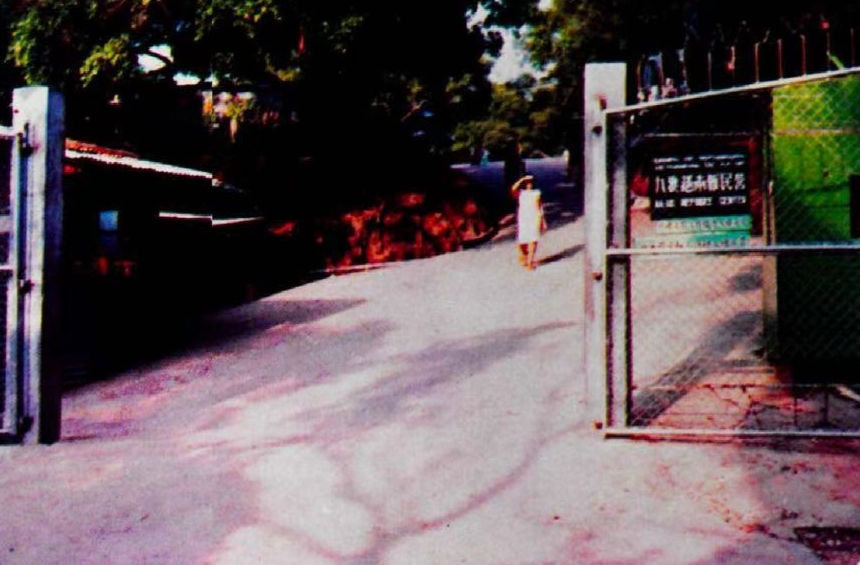
During the 1970s, as the Vietnam War escalated, numerous Vietnamese refugees were forced to flee their residences in to seek safety. Ká Hó, served as one of the provisional sanctuary for these displaced people. The Ká Hó Vietnamese Refugee Camp offered fundamental living security, healthcare services, and promoted a pioneering self-service cooperative model in the face of challenges. This cooperative emerged as an essential platform for refugees' self-service and economic self-sufficiency. It assisted them in fulfilling daily necessities and promoted their social adaptation in the new surroundings.
In addition to material assistance, the Ká Hó Refugee Camp prioritized a variety of educational initiatives, encompassing language acquisition, vocational training, and cultural engagement. These educational programs not only improved the refugees' self-sufficiency but also established a solid basis for their future livelihoods and employment opportunities. Recreational and cultural activities significantly mitigated the emotional stress of displacement, promoting engagement and mutual support among community members while enhancing community cohesion.
The Ká Hó Vietnamese Refugee Camp exemplified the deep humanitarian spirit and sense of responsibility prevalent in Macao society. In response to a sudden inflow of refugees, multiple sectors of society mobilized resources and compassion, establishing a joint support network. This not only protected the fundamental rights of the refugees but also provided them with hope and possibilities to reconstruct their lives. This phase in Ká Hó’s history exemplifies Macau’s inclusiveness and compassion for marginalized groups.
The effective functioning of the Ká Hó Vietnamese Refugee Camp resided in its extensive support system, encompassing material assistance, psychological care, self-service collaboration, and educational training, thereby creating an integrated approach that enabled refugees to transition from displacement to social integration. This history has not only enhanced Macao's social and cultural fabric but also represented the resilience and mutual aid exhibited by humanity throughout emergencies.
Staged Interventions for Social Reinclusion and Personal Growth
The study in Associação de Reabilitação de Toxicodependentes de Macau (ARTM) and the “hold on hope” project has found that, on the one hand, the gamified phased support model improved the trainees’ self-discipline, self-efficacy and employment stability; on the other hand, the success or failure of the project is highly dependent on community acceptance, family support and multi-party resource docking; thirdly, the long-term tolerance of vulnerable groups in local history.
In practice, ARTM curriculum design takes into account self-care, physical exercise and interest cultivation: patients can flexibly participate in yoga, football, ceramic handicrafts, meditation and other activities according to their personal circumstances, which not only improves self-discipline and physical and mental health, but also rebuilds community connections through social interaction. The project places special emphasis on self-discipline cultivation - the interviewed patients believe that “true freedom comes from self-discipline”. In the training of drinking moderation and regular work and rest, they not only gradually regain confidence, but also lay a psychological foundation for returning to the workplace. At the same time, the center maintains a high degree of coordination with family members, flexibly arranges visits and group gatherings, so that students can always feel the warm support from their families and communities during their rehabilitation journey.
As a core demonstration project, hold on hope cafe uses the daily operation of community cafe as a carrier to provide patients with real career experience and practice opportunities. Through research, cafe customers who did not initially understand the purpose of the project became supporters after knowing the story behind it. This not only reflects the positive change in public opinion, but also further weakens the stigma against rehabilitators. In the process of exploring cooperation with local enterprises and vocational training centers, the project faced challenges such as difficulty in job matching, employer concerns, and traffic and site noise in Ká Hó. However, through continuous external publicity and connection with resources from multiple departments, it gradually broadened internship and employment channels, providing students with a real opportunity to start again. The "hold on hope" program also provides patients with an art gallery in the old building of the center. This not only provides them with space to express themselves and discover their personal abilities, but also serves as a place for them to adapt to society.
Based on the interview data of patients and project managers, this study recommends to continue to deepen cooperation with local enterprises and training institutions to establish a stable internship and employment network; Also, through multimedia platforms and community activities, regularly display the growth stories of rehabilitated people to further enhance public recognition; Lastly, learn from the successful model in the history of Ká Hó, replicate the gamification support process in the new branch center, and form a sustainable and scalable rehabilitation ecology. In the future, ARTM and the Hold on Hope cafe will not only provide a paradigm demonstration for Macao, but also provide valuable localization experience for social inclusion projects in other cities and communities.
Bridging Time: The Intersection of Historical Inclusion and Modern Social Support


留言